


Is Portugal a Good Place to Retire in 2026?
Short answer: Yes, Portugal is widely regarded as one of the top global destinations for retirees, and for many good reasons.
This country stands out not only for its exceptional quality of life but also for its unique combination of benefits that cater specifically to retirees.
What makes Portugal truly special? Let's break it down.
First and foremost, Portugal boasts unparalleled political stability and an outstanding safety record.
Portugal is regularly ranked as one of the safest countries in the world, providing peace of mind for those seeking a relaxed lifestyle.
Another significant draw is Portugal’s climate, with over 300 days of sunshine and blue sky per year in many regions.
With mild winters and comfortably warm summers, retirees can embrace outdoor activities all year round.
Pair this with the country’s renowned gastronomy—think fresh seafood, fine wines, and traditional dishes like bacalhau (cod fish)—and it is easy to see why food lovers find Portugal irresistible.
Beyond these tangible factors, Portugal’s laid-back pace of living encourages individuals to truly savor their time and focus on what matters most.

Ultimately, Portugal’s appeal lies in its ability to offer something for almost every lifestyle.
Whether you prioritize climate, culture, or cuisine, this country delivers it all in spades.
But these are just a few highlights of life in Portugal. Keep reading to why so many retirees have chosen to call Portugal home and how your ideal retirement in Portugal could unfold.
Benefits of Retiring in Portugal
Portugal offers an unbeatable mix of lifestyle perks and practical benefits for retirees.
Food enthusiasts will love the fresh, affordable cuisine, from seafood to local wines.
The country’s affordability stands out, with a comfortable lifestyle achievable on €1,200 to €2,000 per month.
Housing, groceries, and healthcare are all budget-friendly, yet the quality of life remains exceptional.
Language is another important point in Portugal. As English is widely spoken in urban and expat-friendly areas, communication is not difficult.
The growing international community ensures newcomers feel welcomed, with plenty of social opportunities and resources.
Meanwhile, Portugal’s safety and political stability create a peaceful environment for a worry-free retirement.
With its combination of culture, climate, and community, Portugal is an ideal destination for those seeking an affordable yet enriching lifestyle in their golden years.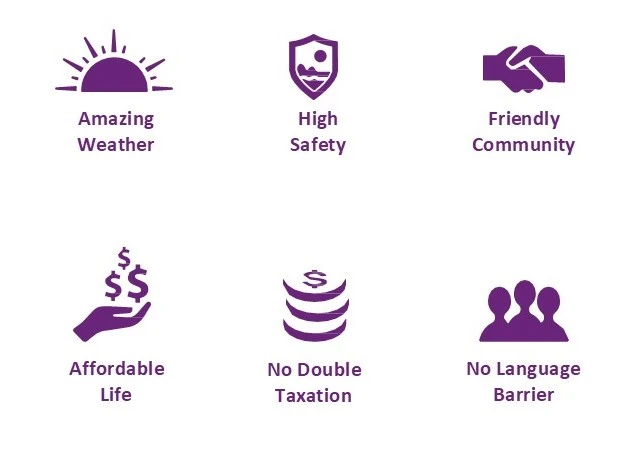
Who Can Retire in Portugal?
Portugal welcomes retirees from all over the world, but the process for obtaining residency varies depending on your nationality.
Below is a breakdown of who can retire in Portugal and the steps they need to take.
EU/EEA/Swiss Nationals
For citizens of the EU, EEA, and Switzerland, retiring in Portugal is a straightforward process.
These individuals have the right to live and work in Portugal without a visa.
Upon arrival, they need to register their residency at the local town hall (Câmara Municipal) and obtain a Certificate of Residency (Certificado de Registo de Cidadão da União Europeia).
This certificate is valid for five years and can be renewed or converted into permanent residency thereafter.
EU nationals also benefit from easy access to Portugal’s healthcare system.
They can initially use their European Health Insurance Card (EHIC) for medical care and later register for the public healthcare system once they become residents.
This seamless process makes Portugal an appealing option for EU retirees.
EU nationals also enjoy unrestricted property ownership rights, allowing them to purchase homes or investment properties without additional bureaucratic hurdles.
This freedom simplifies the transition and ensures that retirees can settle comfortably in their new surroundings.

Non-EU Nationals
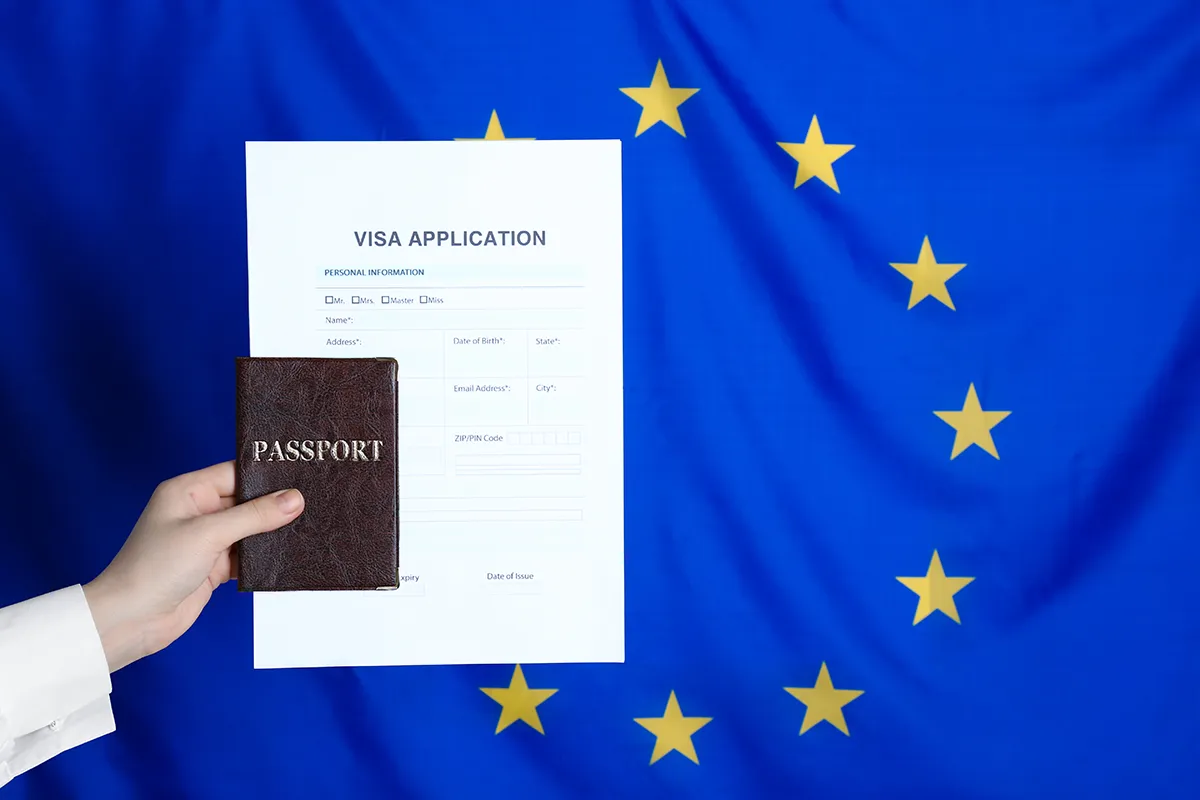
For non-EU citizens, including Americans, Canadians, and British nationals post-Brexit, retiring in Portugal requires a visa.
The two most popular options are the D7 Visa and the Golden Visa.
The D7 Visa is designed for individuals with passive income, such as pensions or rental income.
To qualify, applicants must demonstrate sufficient financial resources to support themselves and provide proof of accommodation in Portugal. This visa is ideal for retirees who plan to live in Portugal full-time.
On the other hand, the Portuguese Golden Visa is a residency program that requires a qualifying financial investment.
For example, applicants can qualify by investing €500,000 in approved Portuguese funds.
While it is more expensive than the D7 Visa, this option offers additional benefits such as not requiring full-time residency.
This means that retirees can spend as little as seven days per year in Portugal while still maintaining their residency status, making it ideal for those who wish to split their time between Portugal and their home country.

What Are the Visa Options for Retiring in Portugal?
Retiring in Portugal involves choosing the right visa to match your financial situation and lifestyle goals.
The two main visa options for retirees are the D7 Visa and the Golden Visa, each with its own set of requirements and benefits.
Although the two programs have their differences, holders of either will be eligible to apply for permanent residence after 5 years of residency and Portuguese Citizenship after 10 years.
Portugal Retirement Visa (D7 Visa)
The D7 Visa is the most popular choice for retirees due to its affordability and straightforward application process.
This visa is specifically designed for individuals who can demonstrate stable, passive income sources, such as pensions, rental income, or dividends.
Key Requirements:
- Minimum income threshold: Approximately €12,000 annually for the main applicant, with additional amounts for dependents.
- Proof of accommodation in Portugal: This can be a rental agreement or a property deed. Due to the country’s staggering real estate growth, purchasing property in Portugal may offer an excellent investment with significant returns.
- Private health insurance: Coverage is required until you are eligible to enroll in Portugal’s public healthcare system.
Once approved, the D7 Visa grants you the right to live in Portugal and obtain a residency permit.
After maintaining residency for five years, you may qualify for permanent residency, and after ten years, for Portuguese citizenship, provided you meet the necessary language and integration criteria.
However, a key drawback is the restriction on leaving the country for more than four months annually, which could result in the termination of your residency status.
Portugal Golden Visa
The Golden Visa is another attractive option, particularly for retirees with significant financial resources.
Unlike the D7 Visa, the Golden Visa requires a minimum investment of €500,000. This can include investing in Portuguese funds or creating jobs in the country.
Investment Options:
- Investment Funds: A minimum investment of €500,000 in Portuguese funds focusing on areas like private equity, technology, or venture capital. This option appeals to investors seeking a diversified, low-maintenance approach to obtaining residency.
- Business Creation: Establishing a company in Portugal with at least ten permanent jobs or investing €500,000 to create a business generating 5 or more jobs also meets the criteria for residency.
The Golden Visa offers several advantages, including visa-free travel within the Schengen Zone and the ability to include family members in the application.
It is an excellent option for retirees who wish to maintain a flexible lifestyle while enjoying the benefits of Portuguese residency.
Golden Visa applicants also benefit from Portugal’s commitment to simplifying bureaucratic processes.
Application timelines have improved, and digital platforms make tracking your application status more convenient than ever.

Buying Property in Portugal as a Retiree
Purchasing property in Portugal is an excellent choice for retirees thanks to high investment returns and appreciating market value.
Unlike some countries, foreigners can buy property in Portugal without restrictions or extra taxes, making it a straightforward process.
The real estate market continues to show steady growth, offering retirees a valuable asset that can provide financial security and rental income if desired.
Step-by-Step to Buy Property in Portugal:
- Determine Your Budget: Decide how much you can afford, including property costs and associated legal fees.
- Find a Reputable Agent: Working with a trusted real estate agent familiar with the local market is highly recommended. Investment Visa highly recommends Portugal Homes as one of the best-established and most reputable real estate agencies in the country.
- Choose the Property: Visit potential properties and select one that suits your needs.
- Legal Due Diligence: Hire a local lawyer to review contracts and ensure there are no legal issues with the property.
- Sign the Promissory Contract: Pay a deposit to secure the property.
- Finalize the Purchase: Complete the sale by signing the final deed before a notary.
Portugal’s property market is diverse, ranging from coastal villas to city apartments.
Whether you are looking for a permanent home or an investment, the process is transparent and straightforward, making Portugal an ideal place to own property.
Setting Up a Bank Account to Retire in Portugal
Opening a Portuguese bank account in Portugal as a foreigner is, with the right support, a straightforward process. While procedures have tightened under anti-money laundering rules, most major banks still support non-resident applications.
Some institutions even allow parts of the process to begin remotely.
Documentation and Eligibility Criteria
Before approaching a Portuguese bank, you must first obtain a Número de Identificação Fiscal (NIF), which functions as a Portuguese tax identification number.
This number is mandatory for nearly all financial transactions in the country.
Non-residents may also need to appoint a tax representative if they do not yet have legal residence in Portugal.
A valid passport (or EU identification card for an EU citizen) is required.
Banks will also request proof of address from your current country of residence, typically dated within the past three to six months.
Acceptable documents include utility bills or official government correspondence.
Financial institutions must verify your income source under Portuguese law. This means providing employment contracts, recent payslips, pension statements, or other evidence of stable earnings.
A Portuguese mobile number may be necessary for account security authentication. Finally, most banks require an opening deposit, often starting around €250.
Ways to Complete the Application Process
- Branch Visit in Portugal: Attending a bank branch in person remains the quickest option. After document verification, the account is usually activated the same day, and debit cards may be issued immediately. This approach is practical for individuals already visiting Portugal to explore property or residency arrangements.
- Remote Application Through Specialized Services: Several relocation support companies can coordinate account setup from abroad. These services collect documentation, arrange compliance checks, and liaise with the bank on your behalf. Processing times generally range from three to four weeks, depending on the institution’s internal review procedures.
- Power of Attorney Appointment: You may authorize a representative in Portugal to manage the opening process. This method requires properly notarized documentation but avoids travel.
- International Banking Offices: Certain Portuguese banks maintain overseas branches that can begin account setup before your arrival, easing transition plans.
Tax Planning for US Retirees Relocating to Portugal
For many US citizens, retiring abroad is about more than lifestyle and sunshine. Anyone applying for a Portugal retirement visa must also understand how taxes work once they become Portuguese residents.
Whether you plan to settle in the sun in the Algarve, explore the wild beauty of the Silver Coast, or enjoy city life in Lisbon or Porto, tax obligations will affect your worldwide income, including pension income, social security benefits, investment income, and capital gains.
Therefore, careful planning is essential before you obtain residency, open a Portuguese bank account, or apply through a Portuguese consulate for a residency visa.
Below is a detailed overview of the key tax considerations for American retirees moving to Portugal.
Double Taxation Agreements and International Protection
Portugal has tax treaties with more than 80 countries, including the United States. These agreements are designed to prevent retirees from paying tax twice on the same income.
For example:
- US pension income may be taxed primarily in one country, depending on treaty provisions.
- Certain social security benefits may remain taxable in the US.
- Some types of investment income may receive favorable treatment under treaty rules.
Even with a treaty in place, US citizens must continue filing US tax returns each year. The United States taxes its citizens on worldwide income, regardless of where they live.
Tools such as the Foreign Tax Credit and the foreign earned income exclusion (which applies mainly to earned income rather than retirement income) may reduce overall liability, but they do not eliminate filing requirements.
The treaty between the US and Portugal helps coordinate taxation, but retirees should review how their pension income, IRA distributions, dividends, and capital gains are categorized under both systems.
Professional advice is especially important once you become a Portuguese tax resident.
Income Tax Structure in Portugal
Once you achieve Portuguese residency and qualify as a tax resident, you are generally taxed on your global income.
Personal Income Tax
Portugal applies a progressive income tax system for locally sourced income, with rates ranging from approximately 13% to 48%, depending on annual income levels.
For retirees receiving foreign pensions, a flat 10% rate may apply under specific conditions. Pension income up to a modest threshold (around €4,462.15 annually) is exempt from Portuguese tax.
Investment and Capital Gains Taxation
- Dividends and interest are typically taxed at a flat rate of 28%, as are capital gains from the sale of shares or securities.
- Capital gains from the sale of property are generally taxed on 50% of the gain, with the effective rate depending on your overall income bracket.
- High-value property owners may face an additional annual property tax surcharge (AIMI) ranging from 0.7% to 1.5%.
There is no general wealth tax in Portugal. However, property taxes at the municipal level (IMI) usually range from 0.3% to 0.8% of the property’s assessed value.
Inheritance and Indirect Taxes
Portugal does not impose a traditional inheritance tax. Instead, a 10% stamp duty applies to inherited assets. Immediate family members—spouses, children, and parents—are exempt.
Goods and services are subject to VAT, typically at 23%, though reduced rates apply to certain essentials.
When comparing Portugal to other Western European nations, many retirees find the overall tax structure manageable, particularly given the country’s affordable cost of living relative to many Western European nations.
Ongoing IRS Reporting Obligations
Even after receiving a temporary residence permit and later a residence permit, American retirees remain subject to US reporting rules.
Key requirements may include:
- Annual US federal income tax return;
- Reporting foreign financial accounts if total balances exceed IRS thresholds (FBAR rules);
- Filing Form 8938 for specified foreign assets.
Opening a local bank account or Portuguese bank account after receiving your número de identificação fiscal (Portuguese tax identification number) triggers additional US disclosure obligations.
Retirees receiving investment income, holding property abroad, or participating in Portuguese financial products should ensure compliance with both US and Portuguese law.
Failure to report foreign accounts can lead to significant penalties, even if no tax is owed.
Establishing Tax Residency Status
Once classified as a tax resident, you must declare your worldwide income to the Portuguese government.
To complete the process, retirees must:
- Apply for a residency visa (commonly the D7 visa) through the Portuguese consulate.
- Obtain a número de identificação fiscal (NIF).
- Open a Portuguese bank account.
- Secure a temporary residence permit.
- Appoint a tax representative if required.
- Provide proof of steady income or stable income, such as pension income or investment income.
- Demonstrate a clean criminal record.
After five years of legal residency, retirees may qualify for permanent residence, becoming long-term legal residents and potentially Portuguese citizens after ten years.
Best Places to Retire in Portugal
Portugal is a country of contrasts, offering a variety of locations that cater to different lifestyles.
Whether you seek the tranquility of the countryside, the rich cultural heritage of one of the oldest countries in Europe, or adventures in places you could never have imagined, Portugal has a destination for you that will feel like home.
The Algarve
The Algarve tops the list as the most popular retirement destination in Portugal, especially for English-speaker residents.
Known for its large and vibrant British expat community, the region is famous for its stunning beaches, and picturesque fishing villages.
With a well-developed infrastructure and plenty of activities, including golf courses and water activities, it is an ideal place for retirees who love the outdoors.
The Algarve also boasts a lower cost of living compared to other European coastal areas, making it a great choice for retirees looking to stretch their budget.

Lisbon
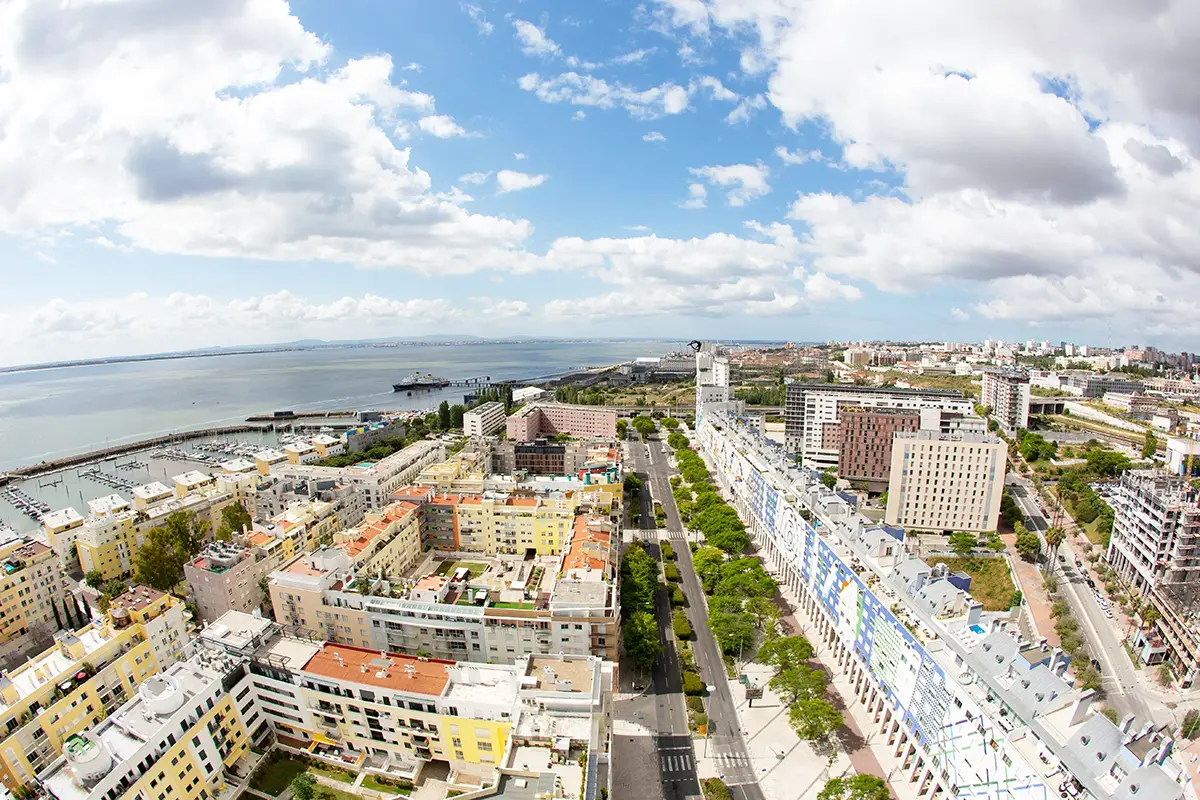
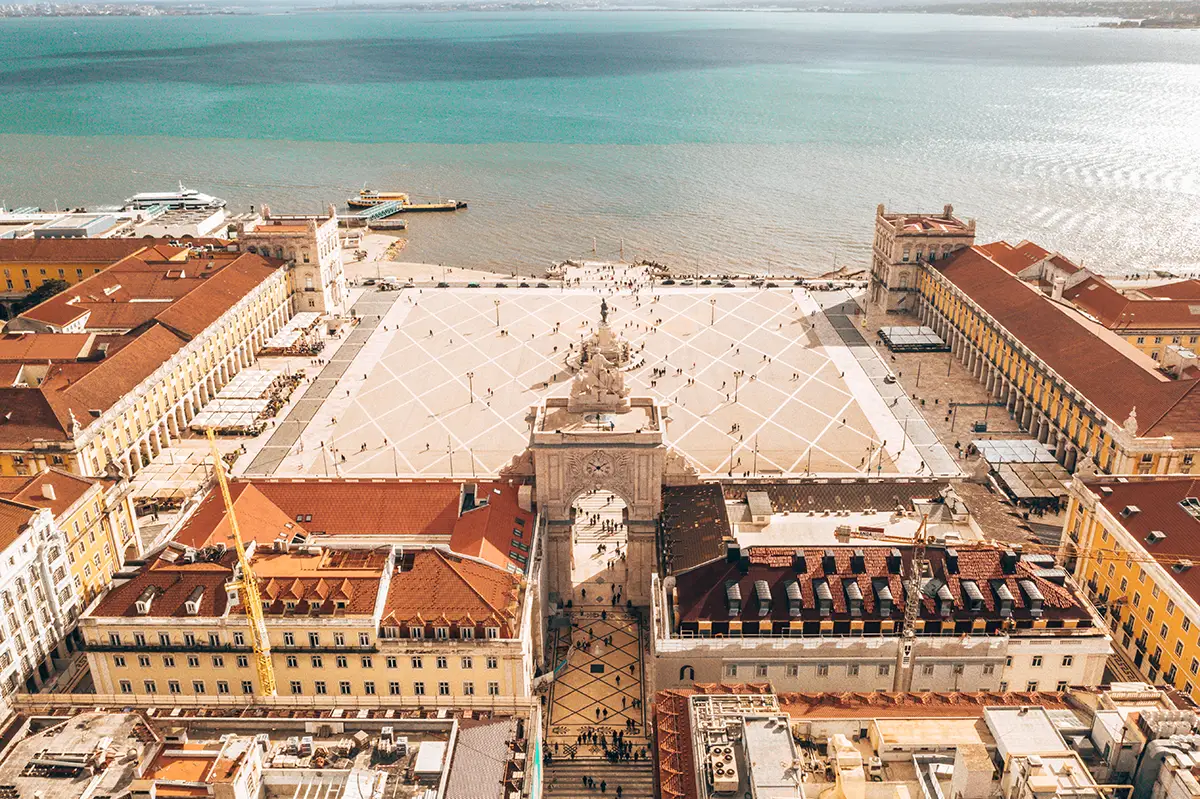
For retirees who prefer an urban environment, Lisbon offers a dynamic mix of history, culture, and modern conveniences.
The capital city is home to world-class museums, fine dining establishments including Michelin-starred restaurants, and a thriving arts scene.
Lisbon’s walkable neighborhoods and efficient public transportation make it easy to get around without a car.
Although Lisbon is more expensive than other regions, it offers unparalleled amenities and a cosmopolitan atmosphere.
Retirees who enjoy city living with a touch of old-world charm will find Lisbon irresistible.

Porto
Porto, Portugal’s second-largest city, is perfect for those seeking a balance between urban and rural life.
Famous for its wine, riverfront views, and historic architecture, Porto is both charming and affordable.
The city’s smaller size makes it more manageable than Lisbon, while still offering plenty of cultural and recreational opportunities.
Porto also has a slower pace of life compared to the capital, making it an excellent choice for retirees who want the best of both worlds.

Most Affordable Place to Retire in Portugal
Affordability is a key factor for many retirees, and Portugal offers several budget-friendly options.
While the Algarve and Lisbon are popular, they can be pricey. Here are some of the most affordable regions to consider:
Braga
Braga, located in northern Portugal, is known for its rich history and affordable living costs.
The city has a vibrant cultural scene, beautiful parks, and excellent healthcare facilities.
Rent and property prices are significantly lower than in Porto or the Algarve, making Braga a great option for retirees on a budget.

Coimbra
Home to one of Europe’s oldest universities, Coimbra is a charming city with a mix of historical and modern amenities.
It offers a relaxed pace of life, affordable housing, and a strong sense of community. Retirees will appreciate the city’s cultural offerings and convenient access to healthcare.

Évora
Located in the Alentejo region, Évora is a UNESCO World Heritage site known for its well-preserved medieval architecture and its ancient Roman columns.
The cost of living there is lower than in Portugal’s larger cities, and the region’s slower pace of life is perfect for retirees seeking tranquility.

Cost of Living in Portugal for Retirees
Portugal’s cost of living is relatively low compared to other Western European countries, which is a significant advantage for retirees.
Housing costs, in particular, are much lower than in countries like the U.S., Switzerland, or the UAE.
Whether you are renting a cozy apartment in Lisbon or buying a villa in the Algarve, your money goes further in the country.
Daily expenses such as groceries, transportation, and dining out are also budget-friendly, making it easier to maintain a comfortable lifestyle on a fixed income.
Retirees living in Portugal are often pleasantly surprised by how much they can stretch their dollars or euros.
For instance, a three-course meal at a mid-range restaurant typically costs around €15 per person, and a monthly public transportation pass is often under €50.
These savings add up, allowing retirees to enjoy a high quality of life without financial stress.
Portugal’s affordability does not come at the expense of quality. Even in smaller towns, retirees have access to modern amenities and services, from high-speed internet to quality healthcare.
This balance of affordability and quality makes Portugal a standout choice.
The Portugal Healthcare System
Portugal’s universal healthcare system is another key benefit for retirees.
The country offers a mix of public and private healthcare options, both of which are known for their quality and affordability.
Public healthcare is accessible to residents at very low costs, or none at all, while private health insurance provides additional flexibility and shorter wait times.
Many retirees opt for private insurance, which typically costs between €40 and €100 per month, depending on the level of coverage.
The country’s healthcare standards are high, with modern facilities and well-trained medical professionals.
English-speaking doctors are common, particularly in private hospitals, which is a significant advantage for retirees who may not be fluent in Portuguese.
Whether you need routine check-ups or specialized care, Portugal’s healthcare system ensures that you are well taken care of.
For retirees with chronic conditions or special medical needs, the country offers excellent long-term care options.
Nursing homes and assisted living facilities are available at competitive prices, and many of them provide high-quality services that meet international standards.

Read More:
Healthcare System in Portugal: A Key Benefit for Expats and Foreigners
Everyday Essentials for Starting Life in Portugal
Retiring abroad to Portugal takes more than packing a suitcase.
Getting comfortable in a new country means understanding how things work day to day, from paperwork and communication to personal safety and digital access.
Paying attention to these details early on makes settling into Portuguese life far less stressful.
Getting Organized After Arrival
One of the first things new residents must obtain is a NIF (Número de Identificação Fiscal).
This tax identification number is required for nearly every formal transaction in Portugal.
You’ll need it to open a bank account, sign a rental contract, set up utilities, purchase a phone plan, or even subscribe to internet services.
Without a NIF, everyday tasks quickly become complicated.
Residency requirements vary depending on nationality.
Citizens from EU countries usually follow a simpler registration process, while those moving from outside the EU, including the United States, must complete additional visa and residence permit procedures.
Understanding the timeline and documentation requirements ahead of time prevents delays and unexpected costs.
It’s also smart to research how public services operate locally. Appointment-based systems are common, and many processes require in-person visits.
Having translated documents and multiple copies on hand can save time.
Learning Portuguese and Navigating Communication
Portuguese is the official language across the country.
In major cities and tourist hubs, English is widely spoken, but that doesn’t apply everywhere. Smaller towns and government offices often operate primarily in Portuguese.
Learning the language improves daily interactions, from grocery shopping to handling administrative tasks.
Even a basic level of Portuguese can make a noticeable difference when arranging utilities, applying for healthcare, or completing tax-related paperwork tied to your NIF.
Language schools, online courses, and community classes are widely available and reasonably priced.
Beyond practical benefits, speaking Portuguese helps build connections within local communities. Social integration tends to feel more natural when you can participate in conversations confidently.
Personal Safety and Crime Awareness
Portugal consistently ranks among the safest countries in Europe. Violent crime rates are low, and most neighborhoods feel secure even after dark.
That said, petty crime does occur in the larger cities, particularly in busy areas, public transportation, and tourist zones.
Pickpocketing is the most common issue reported by newcomers. Keeping valuables secure, avoiding unattended bags, and staying alert in crowded settings are simple but effective precautions.
Overall, daily life feels calm and stable compared to many other international destinations.
Tax Incentives in Portugal for Retirees
Portugal has double taxation agreements with several countries, including the United States, the United Kingdom, and Canada.
These agreements prevent retirees from being taxed on the same income in both Portugal and their home country.
Working with a tax advisor can help you navigate these benefits and optimize your financial situation during retirement.
Furthermore, property taxes in Portugal are relatively low, making it easier for retirees to invest in real estate.
The combination of low living costs, affordable healthcare, and favorable tax policies creates an environment where retirees can thrive financially.
Retirement Living in Portugal
By now, it should be clear that retirement living in Portugal offers an unmatched blend of safety, culture, affordability, and community.
It is an excellent choice for those seeking easy integration and meaningful connections.
Retirement is the part of your life when you will find time for yourself and your loved ones, so why not spend this new-found time in the sun?
You can enjoy abundant sunshine throughout much of the year in Portugal, even during the short, mild winters and especially in the long, lazy summers.
Clean air and green initiatives further enhance a healthier lifestyle, contributing to both physical and mental well-being.
Culturally, Portugal combines rich cultural heritage and a slower pace of life in a blend perfectly suited to the golden years.
From enjoying traditional cuisine and music to exploring historic landmarks, the country’s vibrant experiences make every day feel like a new adventure.
Additionally, retirees benefit from the country’s robust healthcare system, affordable living costs, and favorable tax incentives, which together ensure financial peace of mind.
With all this in mind, then, it's safe to say that Portugal stands out as a top retirement destination, offering a harmonious balance of practical benefits and lifestyle perks.
Whether you are drawn by the breathtaking scenery, the warm and welcoming community, or the high quality of life, Portugal has something for everyone.
If you are ready to take the next step, Investment Visa is here to guide you through every aspect of the transition, making your retirement dream a reality.

Making the Move with Investment Visa
Portugal offers retirees an unparalleled combination of lifestyle, affordability, and cultural richness.
However, making the move to a new country can feel overwhelming. That is where Investment Visa comes in.
We specialize in guiding individuals and families through the process of relocating to Portugal. From navigating visa options like the D7 and Golden Visa to finding the perfect property and understanding tax implications, our experts are here to make your transition seamless.
Many of our clients also explore alternative global mobility solutions before making a final decision.
For example, some compare European residency options with programs offering the cheapest citizenship by investment. Others evaluate other retirement lifestyle options, such as how to retire in Greece.
We also advise investors considering opportunities outside Europe, including Qatar residency by investment.
Let us help you turn your retirement dream into reality. Reach out to Investment Visa today, and take the first step towards a brighter, more fulfilling future in Portugal.
Frequently Asked Questions
Yes. A U.S. citizen can retire in Portugal by applying for a long-stay visa like the D7, meeting residency rules (such as spending 183+ days a year or demonstrating financial means), and then obtaining residency before retiring there.
If you become a Portuguese tax resident, you generally must declare and pay Portuguese tax on your worldwide income, including retirement income, subject to progressive rates and any applicable tax treaty credits.
Yes. Portugal can tax U.S. retirement income for residents. Private pensions, IRA/401(k) distributions and Social Security benefits may be taxed, though U.S.–Portugal treaty provisions and credits may reduce double taxation.
Foreigners choose Portugal for its affordable cost of living, excellent healthcare, favorable tax incentives, and high quality of life. The welcoming culture and stunning scenery further solidify its appeal as a retirement destination.
While it is not necessary to speak Portuguese, learning the language can significantly enhance your integration and experience. English is widely spoken in urban areas and expat communities.
You will need an estimated €1,200 to €2,000 per month to retire in Portugal comfortably. Costs vary depending on your lifestyle and choice of location.
Foreigners can retire in Portugal by securing the appropriate visa, such as the D7 or Golden Visa. Ensure you meet the financial requirements, secure housing, and have health insurance in place.
Yes, retirees from non-EU countries can move to Portugal by obtaining a retirement visa. The D7 Visa is a popular option, but the Golden Visa is available for those making significant investments.
Yes, Canadians can retire in Portugal. The process is similar to that for U.S. citizens, involving either the D7 Visa or the Golden Visa, depending on your financial circumstances.
Yes, U.S. citizens can retire in Portugal by applying for the D7 Visa or the Golden Visa. The application process involves providing proof of income, accommodation, and health insurance.
Yes, UK citizens can retire in Portugal. Post-Brexit, you will need to apply for a visa, such as the D7 Visa or the Golden Visa, and meet the associated requirements.
Yes, you can retire in Portugal through the Golden Visa program. This option requires a financial investment, such as investing in Portuguese funds, and offers the benefit of visa-free travel within the Schengen Zone.
To obtain a Portugal Retirement Visa (D7 Visa), you need to provide proof of passive income, secure accommodation in Portugal, and have private health insurance. Submit your application through your local Portuguese consulate and follow their guidelines.
Retirees typically choose between the D7 Visa and the Golden Visa. The D7 Visa is ideal for those with passive income, while the Golden Visa suits those making significant investments in Portugal, such as real estate purchases.
The easiest way to retire in Portugal is by applying for the D7 Visa. This visa is designed for individuals with passive income, such as pensions or rental income, and offers a straightforward path to residency.